


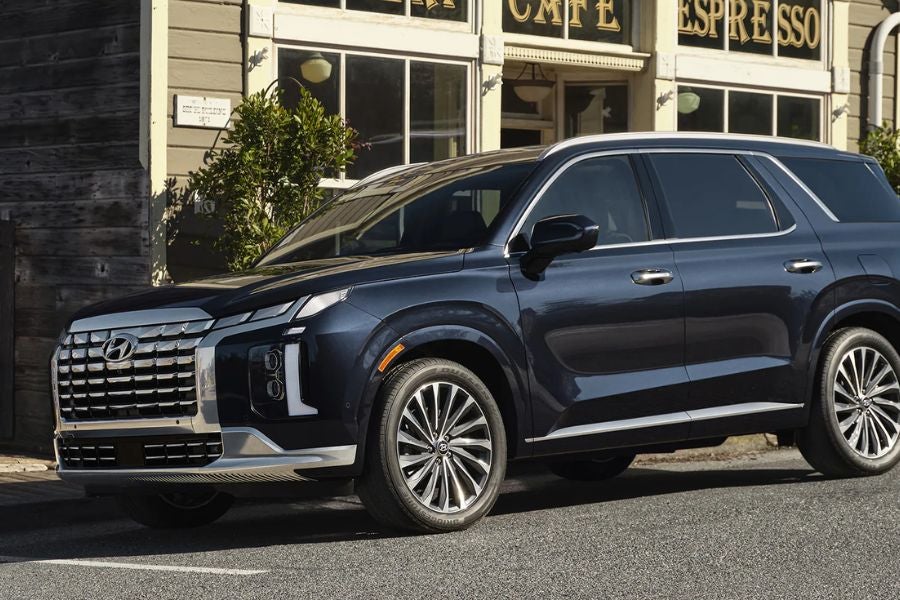
If you're thinking about buying a Hyundai Palisade—or already own one—you probably want to know how far it can take you. A vehicle’s long-term value depends not only on features and comfort but on how long it holds up under real-world driving conditions. If you're thinking about buying a Hyundai Palisade—or already own one—you probably want to know how far it can take you. A vehicle’s long-term value depends not only on features and comfort but on how long it holds up under real-world driving conditions. How many miles is a Hyundai Palisade good for? With proper maintenance, the Hyundai Palisade is good for 200,000 to 250,000 miles, with some well-cared-for examples reaching up to 300,000 miles. That equals 13 to 17 years of reliable use, making it a smart long-term choice for families and daily drivers alike. This estimate is backed by owner data, reliability ratings, and Hyundai’s industry-leading 10-year/100,000-mile powertrain warranty, giving drivers extra confidence in its longevity. We’ve reviewed real-world usage, expert insights, and manufacturer guidelines to bring you everything you need to make your Palisade last as long as possible. In the sections ahead, you’ll discover what high mileage means for the Palisade, which factors impact lifespan, and what maintenance habits can keep yours going strong—especially in Arizona’s demanding climate. Summary: The Hyundai Palisade is built to last 200,000 to 250,000 miles, and with excellent care, some drivers may reach 300,000 miles or more— translating to 13–17+ years of solid use. Routine maintenance and smart driving habits are key, especially in Arizona, where high heat can strain components like transmissions, cooling systems, and brakes. First model-year Palisades (2020) had more reported issues, so choosing a newer or well-maintained model and staying on top of service schedules is your best bet for long-term reliability. How Long Can a Hyundai Palisade Last with Regular Maintenance? With proper care, the Hyundai Palisade lifespan can stretch well beyond the typical 200,000-mile mark, often reaching 250,000 miles or more. That equates to 13–17 years of everyday use—especially if you're following the recommended service intervals for oil changes, filters, fluids, and brake inspections. Vehicles driven in hot, dry Arizona climates may benefit from even more frequent fluid checks and cooling system maintenance to combat extreme heat. When combined with responsible driving habits and OEM parts, the Palisade stands out as one of the longest-lasting three-row SUVs in its class. What Arizona Drivers Should Know About Hyundai Palisade Reliability For Arizona drivers, Hyundai Palisade reliability isn’t just about manufacturer scores—it’s also about how the SUV handles heat, elevation, and local terrain. While the Palisade has earned strong reliability ratings, earlier models like the 2020 version experienced a few first-year quirks, including infotainment bugs and minor interior material issues. More recent models have resolved most of these concerns, but your driving environment still plays a big role in long-term performance. Here’s what Arizona drivers should keep in mind: Extreme heat can accelerate wear on coolant systems, batteries, and brake components—especially during Phoenix summers or long drives through Prescott Valley. Mountainous terrain and elevation changes in areas like Camp Verde or Groom Creek place extra strain on transmissions and suspensions. Dust and dry air increase the importance of clean cabin and engine air filters—replacing them more frequently than average may be necessary. Brake inspections and tire rotations should be done at shorter intervals to compensate for heavier loads and terrain-related wear. Interior materials —particularly in early models—may be more prone to fading or deterioration under intense sun exposure; use of sunshades and regular conditioning can help. By adjusting your maintenance schedule to match Arizona’s climate and road conditions, you’ll not only improve day-to-day performance—you’ll also set up your Palisade to go the distance with fewer headaches. How to Keep Your Hyundai Palisade Running for 250,000 Miles Reaching high mileage in a Hyundai Palisade isn’t just about routine service—it’s about anticipating wear based on local driving conditions. In places like Groom Creek and Prescott Valley, elevation, heat, and terrain add extra stress to vehicle systems, so staying ahead of maintenance matters even more. Top tips to extend your Palisade’s lifespan: Follow Hyundai’s maintenance schedule – Don’t skip early services (8K, 16K, etc.), especially for oil, filters, and brake checks Change transmission fluid early – Around 60,000 miles is a safe rule of thumb, even if not specified Inspect brakes often – The Palisade’s weight can wear pads and rotors faster than expected Rotate tires every 8,000 miles – Prevents uneven wear, helps ride quality, and extends tire life Address infotainment software updates – Keep your system running smoothly and avoid bigger electrical issues later Avoid harsh driving habits – Aggressive braking or short stop-and-go trips can shorten component life By combining smart habits with region-specific care, Palisade owners in Arizona can confidently aim for—and reach—the 250,000-mile mark. Stick to Hyundai’s factory schedule, but don’t be afraid to go beyond it—especially with transmission fluid changes, brake inspections, and cooling system care in Arizona’s high-altitude heat. A Final Word on How Many Miles Is a Hyundai Palisade Good For? Now that you know what it takes to get 200,000 miles—or more—from a Hyundai Palisade, the next step is maintaining it smartly and choosing the right model for your lifestyle. The Palisade has quickly proven itself as a durable, family-ready SUV with the kind of longevity that rivals long-established nameplates. With proper care, it’s more than capable of delivering 13 to 17+ years of dependable service —even in Arizona’s heat, altitude, and open roads. Whether you’re hauling kids around Prescott Valley, heading up to Groom Creek, or planning weekend getaways to Phoenix, a well-maintained Palisade can be the SUV that sticks with you for the long haul. At Findlay Hyundai Prescott, we’re proud to offer a lineup of new and pre-owned Hyundai Palisades that are ready for your next chapter. Visit us at 3250 Willow Creek Rd, Prescott, AZ 86301 or call 928-813-8500 to schedule a test drive. Our team is here to help you find the right fit—and make sure you’re set up for years of worry-free driving across Arizona.
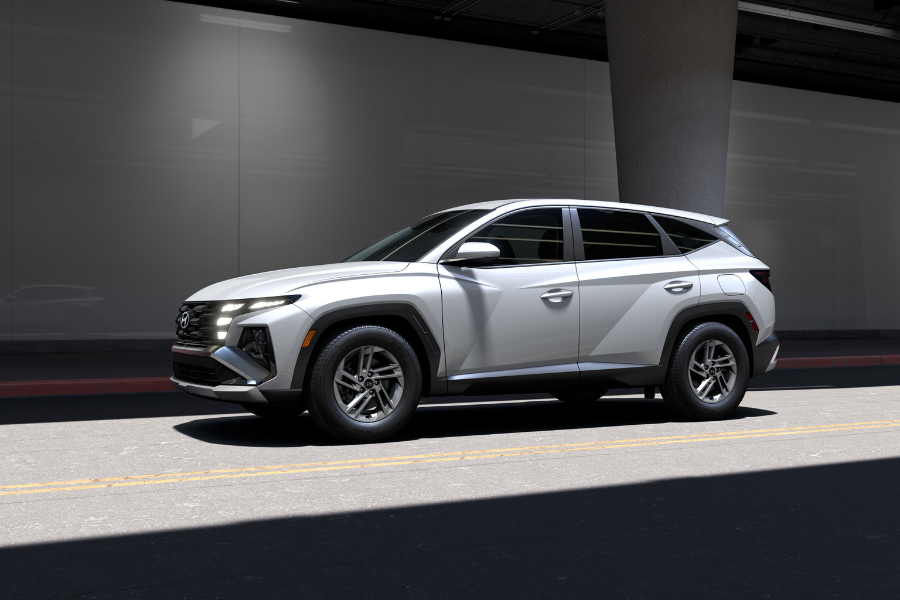
How Long Do Hyundai Tucson Hybrids Last in Arizona?
In Arizona’s dry desert climate and mountain terrain, a Hyundai Tucson Hybrid typically lasts 200,000 to 250,000 miles — about 13 to 17 years — when properly maintained. Local conditions like Prescott’s high elevation and summer heat make regular hybrid cooling system care especially important. In Arizona’s dry desert climate and mountain terrain, a Hyundai Tucson Hybrid typically lasts 200,000 to 250,000 miles — about 13 to 17 years — when properly maintained. Local conditions like Prescott’s high elevation and summer heat make regular hybrid cooling system care especially important. At Findlay Hyundai Prescott, our certified hybrid technicians regularly help drivers extend the life of their Tucson Hybrid by maintaining the battery system, protecting key components from heat, and following Hyundai’s service schedule. With Hyundai’s 10-year/100,000-mile hybrid battery warranty, the Tucson Hybrid proves to be a reliable, long-term SUV for Arizona drivers who want both efficiency and durability in tough conditions. Key Points: How Long Do Hyundai Tucson Hybrids Last Expected Lifespan: With proper service, the Tucson Hybrid can last 200,000–250,000 miles (roughly 13–17 years), matching or exceeding Arizona ownership averages. Hybrid Durability: Hyundai’s 10-year/100,000-mile hybrid battery warranty provides long-term confidence in the vehicle’s core systems. Arizona-Specific Care: Routine cooling checks, fluid monitoring, and smart parking habits protect the hybrid battery and ensure consistent reliability across Prescott, Prescott Valley, Chino Valley, and Cottonwood. How Many Miles Can a Hyundai Tucson Hybrid Last in Arizona’s Dry Heat? Most Tucson Hybrids can reach 200,000 to 250,000 miles when cared for properly, and Arizona’s drier climate can actually support those higher numbers. The lack of road salt and humidity minimizes rust, while consistent highway drives between Prescott Valley and Phoenix keep hybrid systems in balance. The key to hitting those mileage milestones lies in steady care and clean cooling systems, which reduce stress on the engine, inverter, and battery pack. With proper servicing, many Tucson Hybrids easily last 15 years or more before needing major component work. What Affects the Tucson Hybrid’s Lifespan in Arizona? Hybrid longevity in Arizona depends on how drivers handle both the environment and maintenance routines. Here’s what has the greatest impact: Desert Heat: Temperatures over 100°F can shorten hybrid battery life by accelerating chemical aging inside the cells. Battery Cooling System Health: Dust and debris block airflow, forcing the cooling fan to work harder and reducing efficiency. Elevation Changes: Climbing mountain roads around Chino Valley and Groom Creek puts extra demand on both the engine and hybrid motors. Driving Patterns: Constant stop-and-go traffic in Prescott Valley or Phoenix uses more regenerative braking cycles, slightly increasing wear on braking electronics. Long-Term Idling: Idling during hot months can overheat coolant and hybrid components faster than moderate cruising. Air Quality & Dust: Arizona dust quickly clogs filters, which restricts airflow and impacts both fuel economy and hybrid cooling. Tire Pressure & Alignment: Uneven tires force hybrid motors to compensate, reducing overall efficiency. Preventive Maintenance Discipline: Consistent 8,000-mile services ensure hybrid software updates, fluid checks, and cooling inspections stay current. Battery Management Habits: Avoid deep discharges and prolonged parked periods in full sun to extend lifespan. Driving Temperament: Smooth acceleration and coasting reduce strain on electric motors and the transmission. Drivers who adapt to these Arizona-specific factors can extend Tucson Hybrid life far beyond the national average. How Long Does the Hyundai Hybrid Battery Last? Most Tucson Hybrid batteries last 8 to 10 years, and many exceed 100,000 miles before showing capacity loss. Arizona’s heat can make that tougher, but proactive care offsets most risks. Follow these detailed battery-care strategies: Clean Airflow Paths: Vacuum or brush battery vents and under-seat cooling inlets every few months. Replace Cabin & Battery Filters Frequently: Dust reduces airflow and raises pack temperature. Monitor Coolant Quality: Hybrid coolant breaks down faster in heat; test or replace on schedule. Limit Sun Exposure: Use garage or shade parking whenever possible. Pre-Cool the Cabin: Start the AC before driving to reduce shared thermal load between systems. Avoid Full Charges in Extreme Heat: Let the system manage charging rather than topping off manually for plug-in variants. Don’t Store the Vehicle for Long Periods: Drive weekly to keep charge cycles active and lubrication consistent. Watch for Warning Signs: Reduced MPG, higher fan noise, or slower acceleration indicate heat-related stress. Use OEM Coolant & Software Updates: Hyundai’s updates often optimize cooling fan behavior in hot climates. With this regimen, Tucson Hybrid owners in Prescott, Cottonwood, and Phoenix frequently report strong battery performance well into year ten and beyond. How Often Should You Service a Hyundai Tucson Hybrid? Regular servicing is crucial to maximize hybrid performance in Arizona’s climate. Below is a comprehensive schedule tailored for local driving conditions: Every 6,000–8,000 Miles: Oil and filter change, tire rotation, fluid check. Every 10,000–12,000 Miles: Inspect hybrid battery cooling intake, cabin air filter, brake condition, and alignment. Every 16,000–20,000 Miles: Replace cabin and engine air filters due to dust buildup. Every 24,000 Miles: Inspect coolant systems for hybrid inverter and engine; top up or flush if discolored. Every 48,000 Miles: Replace spark plugs and brake fluid; inspect suspension components after frequent elevation driving. Every 60,000 Miles: Perform software updates and diagnostic tests on hybrid systems. Every 120,000 Miles: Replace both engine and inverter coolant, check hybrid battery cooling ducts for obstructions. As Needed: Wash underbody seasonally to remove dust and debris that trap heat. Annually: Have a certified hybrid technician evaluate battery health and electrical connectors. Keeping this schedule not only supports warranty compliance but also protects fuel efficiency, battery stability, and resale value in Prescott’s challenging desert environment. Tips to Extend Your Tucson Hybrid’s Life in Arizona Here’s a complete list of practical ways to protect your Tucson Hybrid from Arizona’s climate stressors: Park in Shade: Heat kills batteries faster than mileage ever will. Use Sunshades and Ventilated Seat Covers: Lower cabin temperature to reduce cooling system strain. Run Climate Control Wisely: Avoid full AC load before the hybrid system reaches operating temperature. Clean Hybrid Cooling Fan Inlets: Located under the rear seat; check monthly for lint and dust. Monitor Inverter Coolant Reservoir: Top up when below minimum; only use Hyundai-approved coolant. Rotate Tires Frequently: Heat causes uneven wear, affecting hybrid traction balance. Plan Weekly Highway Drives: Keeps fluids circulated and ensures battery modules balance properly. Avoid Short-Trip-Only Driving: Short trips never let hybrid components reach stable temperatures. Inspect the Undercarriage: Dust and gravel accumulation can insulate components, increasing heat buildup. Document Every Service: Keeping digital or printed service logs maintains resale value and warranty eligibility. Stay Updated on TSBs: Hyundai’s Technical Service Bulletins often include software or coolant improvements relevant to Arizona owners. When combined, these steps let Tucson Hybrids thrive even under Prescott’s high desert heat, often surpassing 250,000 miles of reliable operation. A Final Word on How Long Hyundai Tucson Hybrids Last in Arizona Now that you know how to help your Hyundai Tucson Hybrid last 200,000 miles or more, the next step is simple: stay on top of maintenance, protect it from Arizona’s heat, and trust certified hybrid technicians to keep your system running strong. Arizona drivers have a real advantage: the Tucson Hybrid is built to thrive in our climate. Its advanced cooling systems, balanced hybrid powertrain, and long 10-year/100,000-mile warranty make it one of the smartest choices for high-mileage ownership in the desert. Taking care of small things, like inverter coolant levels and battery airflow, pays off big in reliability and resale value. You’ll enjoy confident climbs through Prescott’s hills, smooth weekend drives down to Cottonwood, and dependable performance for many years to come. At Findlay Hyundai Prescott, we know what local hybrids need to perform their best. Our service experts use factory-approved tools, Arizona-specific maintenance schedules, and genuine Hyundai parts to help your Tucson Hybrid stay efficient, powerful, and road-ready. Stop by our showroom at 3250 Willow Creek Rd, Prescott, AZ 86301, or contact us online to schedule your hybrid checkup or take the Tucson Hybrid for a test drive. You’ll see why so many Arizona drivers trust us to keep their vehicles running stronger, longer.